Personalization in Healthcare Without Crossing the HIPAA Line
Written by Steve Sobenko August 2025

If your website as your digital front door greets every patient the same way, you are not welcoming them. You are opening the door and walking away. Personalization is how you stay in the conversation. Without it, you are falling behind patient expectations.
Healthcare marketing leaders know personalization is no longer optional. Patients expect the same level of digital convenience they get from retailers, airlines, or streaming services. But unlike those industries, healthcare has strict compliance boundaries, and crossing the HIPAA line with digital personalization can put both patients and health systems at risk. That is why at Nishtech we specialize in Before the walls, Beyond the walls care.
So how do you deliver a tailored, relevant digital experience without touching PHI?
The Compliance Reality and the HIPAA Misconception
Historically, the safe answer was simple: Do not collect or personalize on anything. That worked until competitors started building smarter patient experiences. How?
Here is the misconception: HIPAA prohibits personalization. It does not. If done correctly, HIPAA does not prohibit personalization. It prohibits using Protected Health Information (PHI) without consent or safeguards or storing any identifiable information that could potentially be used to identify a person.
Healthcare marketers can still personalize if they focus on contextual, non-identifiable signals. Now, health systems are realizing that personalization, when done responsibly, improves both patient outcomes and business outcomes.
Responsible Personalization Examples
Here are real-world ways we have implemented to help healthcare organizations personalize responsibly:
- Time of day personalization: Visitors browsing between 11pm and 5am are more likely looking for ER directions. A mobile-friendly banner with “Find the nearest ER” can be displayed without collecting PHI.
- Device-based personalization: Mobile visitors might see quick appointment booking or urgent care check-in, while desktop users see research-driven content such as provider bios or long-form articles.
- Location awareness: Showing nearby clinic hours or urgent care centers based on IP geolocation, not exact GPS or patient identity.
- Intent-based search insights: If a user types “heart” into site search, the system can route them to Cardiovascular Care without knowing anything about their health history.
- Content affinity with anonymous tracking: If a visitor reads three pages about pediatrics, show related pediatric resources. No identity, no PHI, just behavioral context.
Where the Line Gets Crossed
Personalization becomes risky when it involves:
- Linking browsing behavior to a known patient record
- Storing or transmitting identifiable health conditions without consent
- Using third-party trackers such as Meta Pixel that transmit PHI to external platforms
- Combining anonymous signals in a way that could reasonably identify a person
- Storing data and leveraging data from logs that can be used to identify a patient (such as IP address)
These scenarios move you into HIPAA-regulated territory, and the compliance, legal, and financial risks outweigh the marketing gains.
How to Move Forward
Healthcare organizations do not need to choose between sterile, one-size-fits-all websites and HIPAA violations. The middle ground is responsible personalization, built on:
- Clear data governance policies that define what is allowed and what is prohibited
- Technology platforms with HIPAA compliance and BAA support. Need help here? We have a playbook to Choosing a HIPAA-ready Platform.
- A crawl, walk, run approach that starts with safe contextual personalization and expands into consent-based experiences
At Nishtech, we help healthcare systems design personalization strategies that respect privacy, drive engagement, and deliver measurable results.
Nishtech's Final Thoughts
Patients expect experiences that feel relevant, not generic. With the right approach, personalization in healthcare can be both compliant and impactful. It helps patients find care faster with greater confidence while also building trust in your brand.
-
Digital Experience, Healthcare, Sitecore
Choosing a HIPAA Compliant DXP or CMS
Read More
-
 Sitecore, Digital Experience, Technology
Win the AEO/GEO Battle. Don’t be The General of the Last War
Read More
Sitecore, Digital Experience, Technology
Win the AEO/GEO Battle. Don’t be The General of the Last War
Read More
-
 Sitecore, Digital Experience, Technology, News
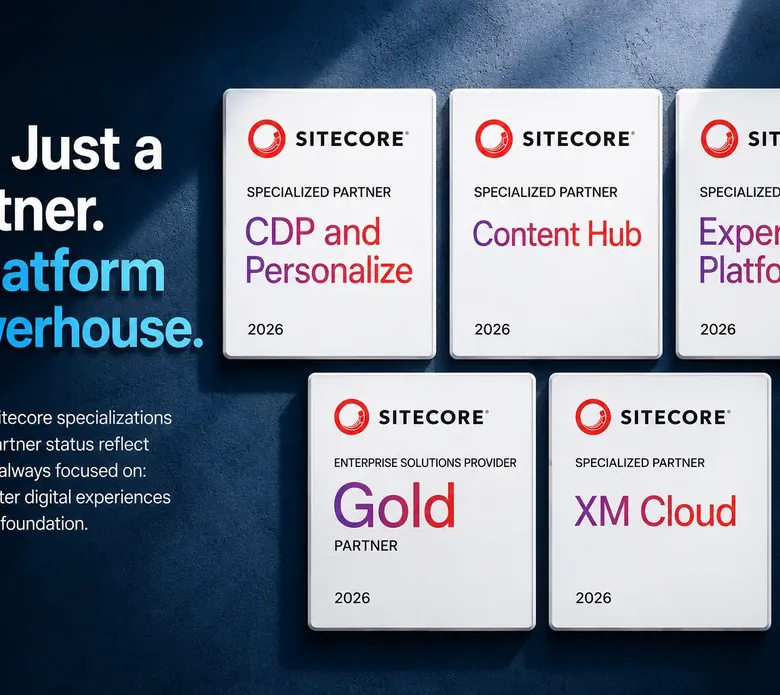
Nishtech awarded Sitecore AI Specialization Badge
Read More
Sitecore, Digital Experience, Technology, News
Nishtech awarded Sitecore AI Specialization Badge
Read More
-
 Sitecore, Technology, Digital Experience
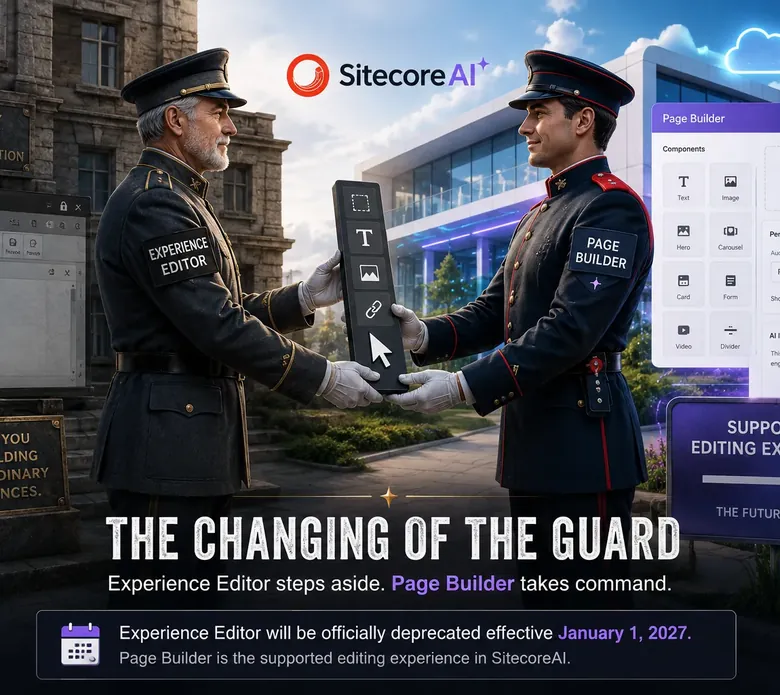
Experience Editor Is Going Away in SitecoreAI
Read More
Sitecore, Technology, Digital Experience
Experience Editor Is Going Away in SitecoreAI
Read More